



 SALE
SALE
 iPhone
 iPhone 17
 iPhone Air
 iPhone 17 Pro
 iPhone 17 Pro Max
 Samsung Galaxy S25 FE
 iPhone 16
 iPhone 15
 Google Pixel 10
 iPhone 13 5G
 Samsung Galaxy S26 Ultra
 Mobile Upgrade Deals
 SIM Free Mobiles
 Gift Bundles

 Trade In Your Mobile
 Business Mobiles

 Apple
iPhone
Apple
iPhone
 Samsung
Galaxy
Samsung
Galaxy
 Google
Pixel
Google
Pixel
 Honor
Honor
 Doro
Doro
 JCB
JCB
 TCL
TCL

 Three
Three
 Vodafone
 Talkmobile
 Phone Repairs
 SIM Only


 Gaming
 Accessories

 Screen Protectors
 Mobile Phone Cases
 Cables and Chargers
 Headphones and Audio
 Memory Cards
 Accessory Bundles

 Help
Help

 FAQs
FAQs
 Returns
 Cashback

 Franchise Program
 Store Finder
 Blog
Blog









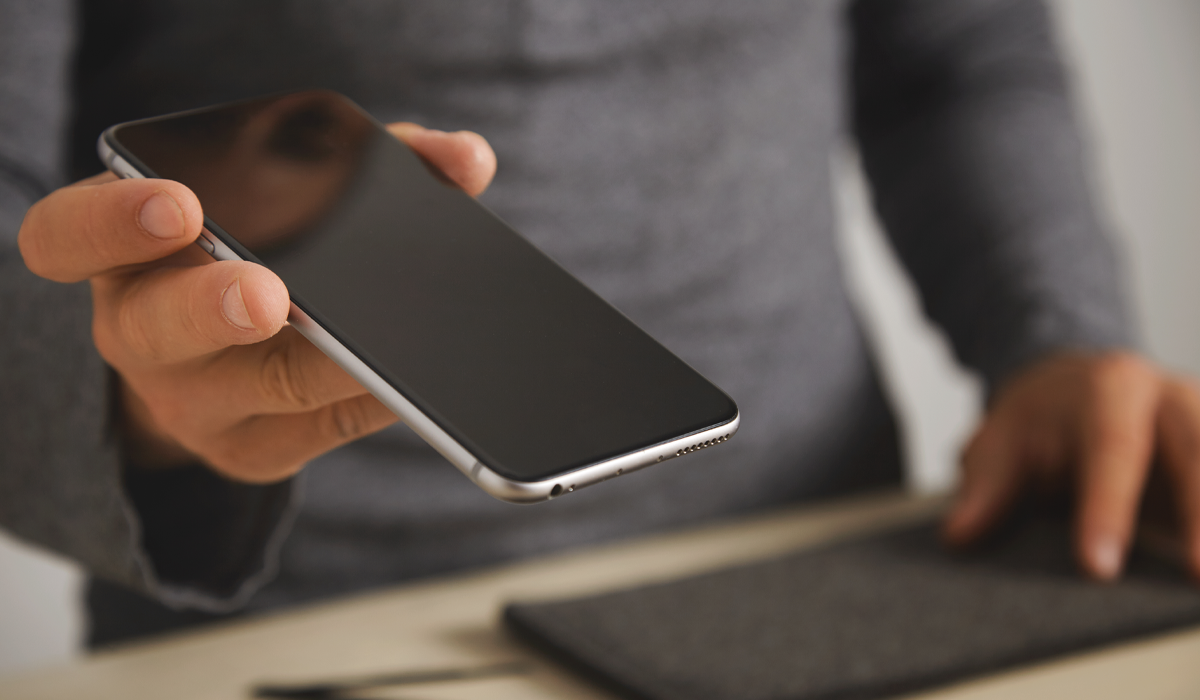
Phone bezels are one of the most important physical features of a device (aside from software), particularly when it comes to protecting the screen. However, their impact on repairability is often overlooked.
What is the Bezel of a Phone?
The bezel of a handset is the black border that surrounds your phone’s screen. An issue that is increasingly emerging, and one that many people do not consider, is that thinner bezel designs or even completely bezel -less phones can be significantly harder and more expensive to repair.
Older phones, such as the iPhone 8, featured larger bezels that included a home button. Over time, this black border has gradually reduced, with newer devices like the iPhone 15 showcasing an ultra thin bezel, and the upcoming iPhone 17 line up expected to emphasise an even slimmer, more premium border design. In comparison, the iPhone 8 is much easier to repair due to its larger bezel.
Handsets having a bigger Bezel meant there was more structural support, there was less risk of damage to the edge of the devices during a repair, and the components of the phone were not as tightly packed as they are now. The key point is that bigger bezels meant more room for technicians during repairs.
Why have the Bezels on Phones shrunk over time?
As technology improves and design trends change, bezels have steadily shrunk. Today’s smartphones prioritise larger screens and minimal borders, offering a more immersive, modern look. With brands like Apple, Samsung, and Google leading the way, thinner bezels have become the normal, but are they worth the trade off?
Do thin Bezels cause problems?
Although thin bezels have become the standard design for modern handsets, offering improved viewing experiences, more compact devices for the same screen size, and a more premium feel for users, is it really worth sacrificing repairability?
Thinner Bezels are meaning harder work for technicians and therefore more expensive repairs for consumers.
- Increased Fragility means ‘Cutting edge displays’ tend to crack more easily, and there is much less frame protection.
- Tighter internal layout means that parts of the phone are crammed closer together and this makes it harder for technicians to access parts without removing surrounding areas.
- There are greater risks during repairs, as it is easier to damage the phone due to delicate OLED panels and flex cables located near the edges of the device.
Overall, screen replacement difficulty is a significant issue. The cost difference between repairing phones with thicker bezels and those with thinner bezels on modern designs is substantial. Additionally, repairs on modern handsets with thinner bezels can take much longer and may lead to further complications for consumers.
What can we do to protect our Phone from damage?
Unfortunately, as technology continues to evolve and new designs are introduced, brands will keep refining and redesigning their phones. This means thin bezels are likely to become even thinner over time. However, there are still ways we can protect our devices and reduce the need for repairs.
Investing in a high quality screen protector can help protect your phone from damage such as scratches, scuffs, and impacts from drops. Similarly, using a protective case can reduce the risk of damage to your handset, making it worthwhile to invest in a reliable phone case that keeps your device protected.
What services does Fonehouse offer?
At Fonehouse, we don’t just offer a wide range of mobile phone deals, contract plans, trade in services, and excellent customer support, we also provide in store repairs. This means that if your phone is damaged, our team is on hand to help get it back up and running. Simply search for your nearest store, and we’ll be happy to assist you.
